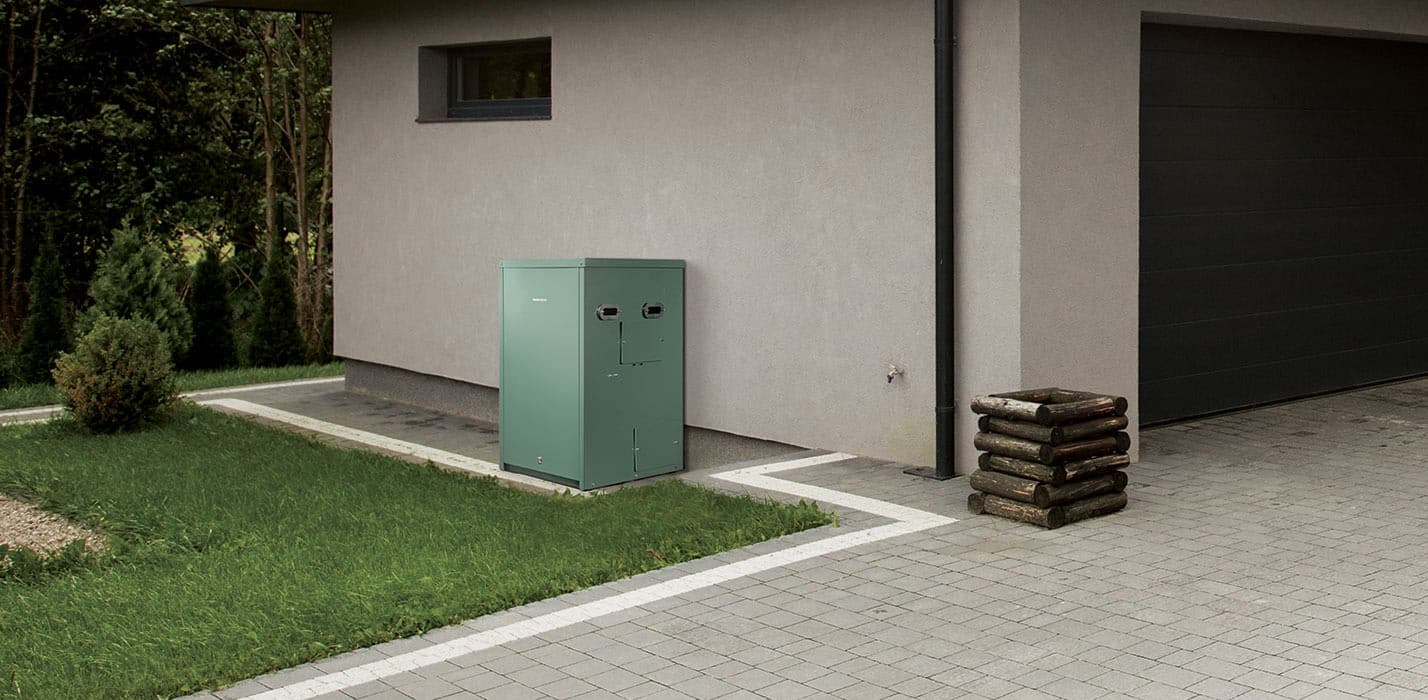

Boiler installation: step-by-step guide for UK homes
Step-by-step: what happens during a boiler installation
If you’re preparing for a new boiler, it helps to know exactly what happens during a boiler installation. This guide explains each stage — from the initial survey to commissioning and handover — so you know what to expect, how long it typically takes and which decisions affect the final result. Read on to see the practical steps installers take to fit a modern, safe and efficient boiler in a UK home.
Before installation: enquiry, survey and planning
The process begins with your enquiry. An experienced installer will arrange a site survey to record essential details: current boiler type and condition, pipework layout, flue routes, hot water requirements, loft and airing-cupboard access, and any structural or ventilation constraints. The survey lets the installer recommend the right boiler type (combi, system or regular), capacity and location.
Key outcomes of the survey include:
- Confirmation of the best boiler model and output for your household needs.
- Assessment of flue route and condensate discharge options.
- Identification of any additional work required (pipework alterations, new radiators, powerflush, electrical supply upgrades).
- Timescale and an itemised quote — request a written quote and a site-specific plan before booking.
Permissions and safety checks
For gas boilers the installer must be registered with the relevant competence scheme. They will check whether building regulations compliance and notifications are needed. If you’re a landlord, additional legal obligations may apply. Ask the installer to confirm how they will manage paperwork and compliance.
Preparation on the day of installation
On arrival, professional installers will protect floors and fixtures, isolate gas, water and electrical supplies where necessary, and set up a safe working area. Good installers keep disruption to a minimum and use dust sheets, drop mats and hoovering to maintain tidiness.
- Site protection and health & safety briefing.
- Verification of the new appliance, parts and any pre-ordered materials.
- Confirmation of the planned sequence with the homeowner.
Removing the old boiler and making space
If an existing boiler is being replaced, the old unit is carefully removed. This involves isolating supplies, draining the heating system where required, and disconnecting flues and pipework. Waste is dealt with responsibly — installers should remove the old appliance and associated debris for proper disposal or recycling.
When additional work is required
Sometimes extra tasks are identified once the old unit is out, such as corroded pipework, obsolete fittings or poor boiler siting. Your installer will discuss these findings and recommend the best course of action before proceeding.
Fitting the new boiler
The actual installation includes positioning and securing the boiler, installing the flue, connecting gas or fuel and water supplies, and routing condensate pipes where applicable. Modern condensing boilers require correct condensate routing and an appropriate fall to drain.
- Fixing the boiler to a suitable support or bracket.
- Flue installation with correct clearances and sealing to prevent spillage.
- Connection of heating flow/return and hot water circuits.
- Electrical connection to supply and controls, including any room thermostat wiring.
System preparation
Installers will refill the system and pressurise it, add corrosion inhibitor if required, and bleed radiators to remove trapped air. If a system flush or chemical powerflush is necessary to remove sludge and debris, this will usually be scheduled in advance or advised during the survey.
Testing, commissioning and safety checks
Commissioning is critical. A competent installer performs a series of tests to confirm the boiler operates safely and efficiently:
- Gas tightness and appliance safety checks for gas-fired boilers.
- Flue gas analysis or spillage testing where appropriate.
- Pressure and leak tests on the heating system.
- Electrical and earth bonding checks.
- Functional tests of controls, thermostats and thermostatic radiator valves (TRVs) if fitted.
Installers should also programme the boiler and heating controls to match your preferences and demonstrate how to use them. They will explain routine checks you should carry out and show you how to repressurise the system if needed.
Documentation, warranties and registration
After successful commissioning, expect to receive paperwork confirming that the installation complies with regulations. This usually includes a commissioning checklist, safety certificates and instructions on how to register your warranty with the manufacturer.
Good installers will also provide a written handover pack containing:
- Service and maintenance recommendations.
- Manufacturer warranty details and how to register the appliance.
- Commissioning records and any building-regulation or notification documentation.
Aftercare: maintenance and servicing
Regular servicing extends the life of your boiler and helps prevent unexpected breakdowns. Ask about planned servicing visits or a maintenance plan. For additional services, see our boiler servicing and repair pages for more information and scheduling.
Visit our boiler-servicing page: /services/boiler-servicing
How long it takes and what affects the cost
Installation time varies with complexity. A straightforward like-for-like replacement can often be completed in a day, while installations that require new flues, altered pipework, additional radiators, or system cleaning may take longer. Factors that influence duration and cost include:
- Type of boiler chosen (combi, system, regular).
- Location and ease of access for flue and pipework.
- Extent of new pipework, radiators or controls needed.
- Need for electrical upgrades, system flushing or additional safety works.
- Disposal of the old unit and any structural modifications.
For a precise estimate tailored to your property, request a visit and a written quote so you can compare options and guarantees.
Ready to arrange your boiler installation?
If you’d like a professional, compliant installation carried out with minimal disruption, get in touch for a survey and quote. We’ll walk you through model choices, installation days, and aftercare options so you’re fully informed.
Contact us on 07939012055 or use our online form to request a site visit: /contact. For details about our installation service, see /services/boiler-installation.