Gas Safe vs OFTEC: which engineer do you need?
Choosing between a Gas Safe and OFTEC engineer starts with one simple detail: the fuel your boiler uses. Mains gas and heating oil require different knowledge, equipment and certification, so selecting the right professional helps ensure your boiler is serviced or repaired correctly and that suitable records are provided.
Gas Safe and OFTEC explained
Gas Safe registration applies to engineers who work on gas appliances and systems, including gas boilers, cookers and fires. A Gas Safe registered engineer has the relevant competence to carry out gas work, and you can check their registration before allowing work to begin.
OFTEC is an industry scheme associated with oil heating, including oil-fired boilers, tanks and related systems. An OFTEC-registered technician has training and experience relevant to oil appliances. Depending on the work being carried out, other qualifications or compliance arrangements may also apply, so it is sensible to ask exactly what the engineer is registered or qualified to do.
These are not interchangeable credentials. A Gas Safe engineer may not be trained to service an oil boiler, while an OFTEC technician is not automatically authorised to work on gas appliances. The correct choice depends on your heating system, not simply on the type of repair you need.
Which engineer does your home need?
If your boiler burns mains gas, book a Gas Safe registered engineer for servicing, repairs, safety checks or installation work. In Pembrokeshire, mains gas is available in some towns and built-up areas, although coverage varies from one street or property to another.
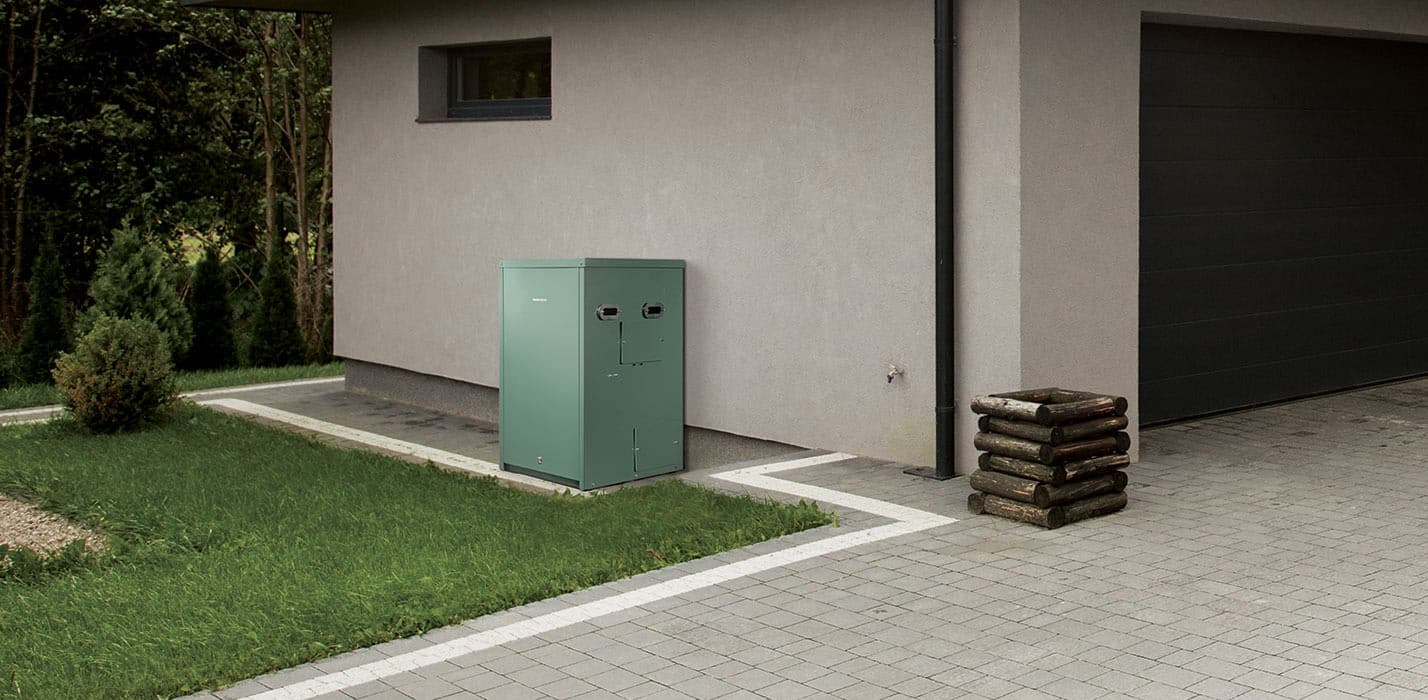
Oil heating is more common in many rural properties, where a connection to the mains gas network may not be available. If your boiler is supplied from an external oil tank, look for an engineer with appropriate oil heating experience and, where relevant to the work, OFTEC registration.
Gas boiler: choose a Gas Safe registered engineer.
Oil boiler: choose an engineer experienced with oil-fired appliances, ideally with relevant OFTEC registration.
Air source or ground source heat pump: look for an engineer qualified to work on heat pump systems.
Unclear system: check the boiler label, fuel supply and manufacturer’s documentation before booking.
How to identify your boiler’s fuel
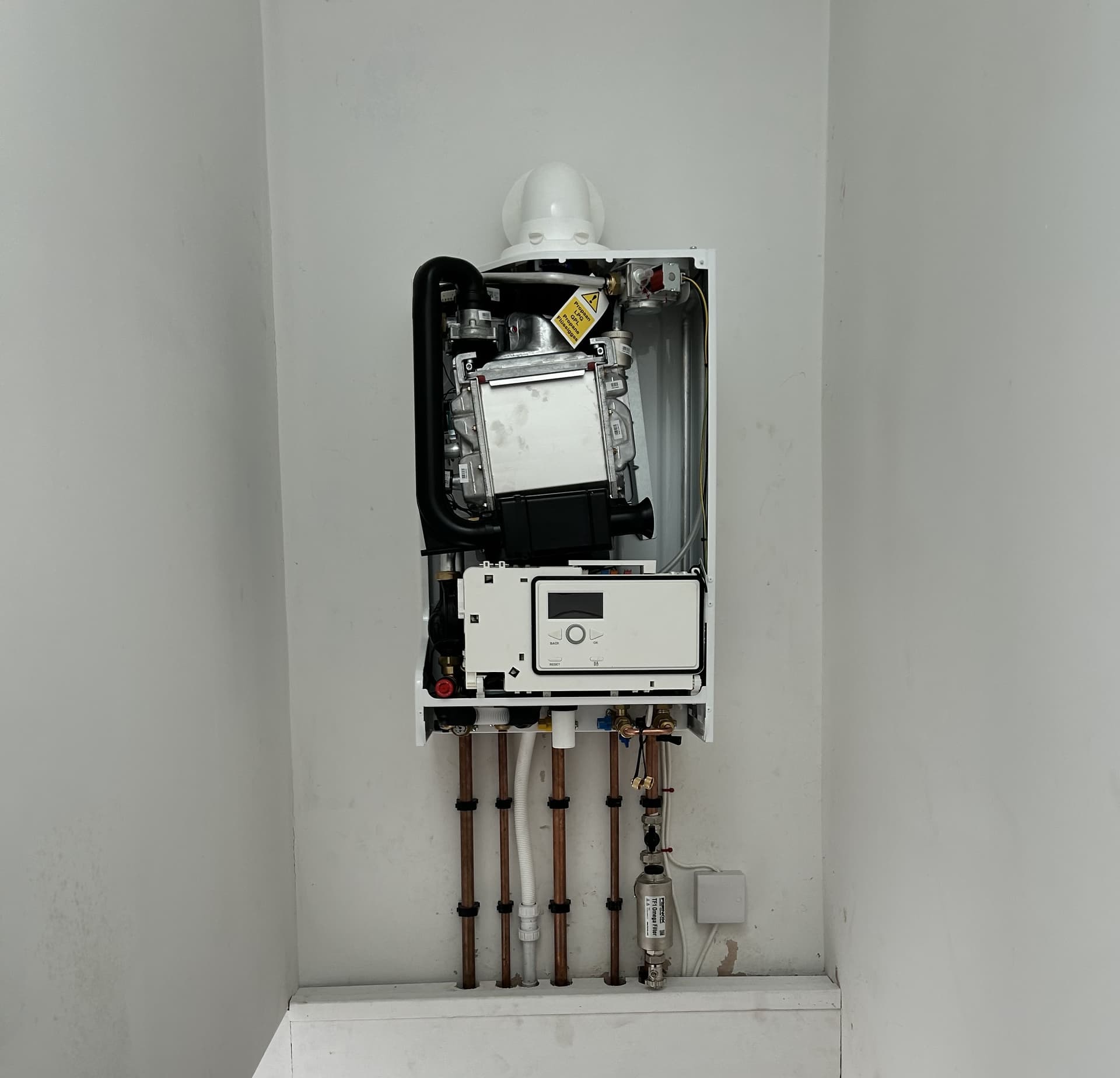
Start by looking at the boiler casing, control panel or manufacturer’s label. The model name may include terms such as “oil”, “gas” or “LPG”, and the user manual will normally state the fuel type. If the property has an oil tank, usually positioned outside, that is a strong indication that the boiler is oil-fired.
Gas boilers are connected to a gas supply pipe and may have a gas meter nearby. Do not rely on appearance alone, as boilers can look similar across fuel types. If you are still unsure, contact the manufacturer or ask a suitably qualified heating professional to identify the appliance before any work is arranged.
Questions to ask before booking
A short conversation before making an appointment can prevent confusion and help you compare engineers fairly. A reputable professional should be comfortable explaining their relevant experience and what the appointment includes.
What is your Gas Safe or OFTEC registration number, where applicable?
Do you regularly work on my boiler make, model and fuel type?
What checks and tests will be carried out during the service or repair?
Will you provide service records, findings and recommendations afterwards?
For gas work, check the engineer’s Gas Safe details and make sure the appliance categories listed cover the work you need. For oil boilers, ask about experience with your specific type of appliance, burner and controls, as oil systems can vary between manufacturers.
What a suitable service should include
The precise work depends on the appliance and the reason for the visit. A boiler service will generally involve a visual inspection, cleaning or adjustment where appropriate, operational checks and testing of relevant safety controls. The engineer should explain any defects clearly rather than recommending unnecessary work.
Service records are useful for future repairs, warranty requirements and keeping track of the boiler’s condition. Ask for written details of the work completed, any test results that are relevant and advice about follow-up repairs. Keep these records with your appliance manuals and previous heating paperwork.
Choose the right help in Pembrokeshire
Whether your home uses mains gas in a built-up area or an oil boiler at a rural property, matching the engineer to the fuel is an important first step. It supports safe working, gives you clearer information about your appliance and helps ensure the service or repair is carried out by someone with suitable experience.
For help with an oil boiler, contact Sigma Plumbing & Heating about oil boiler repairs or oil boiler servicing. If you have a gas boiler, speak to the team about gas boiler repairs or gas boiler servicing. Call Sigma Plumbing & Heating on 07939012055 to discuss your heating system and arrange the appropriate support.