
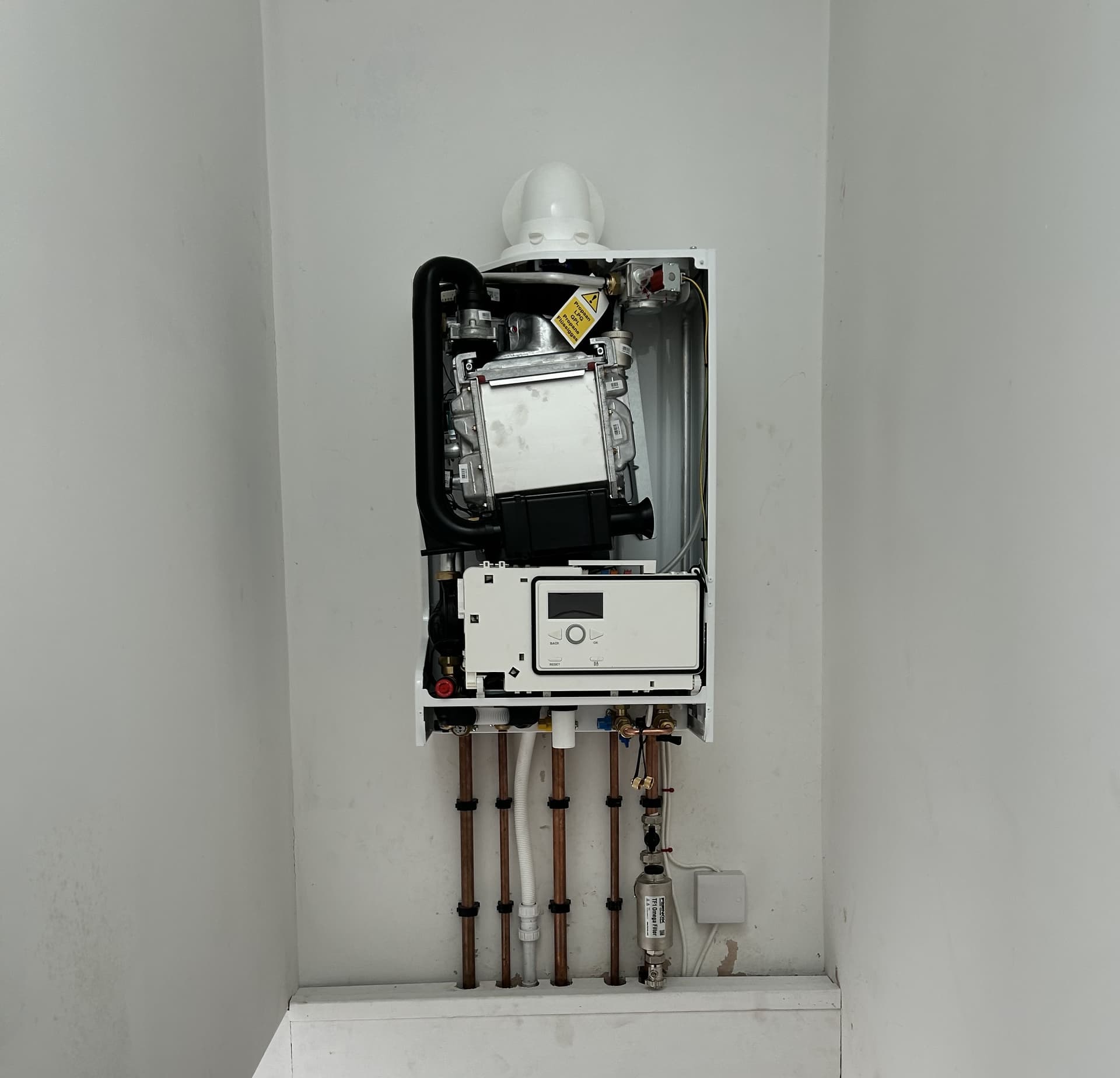
Boiler service checklist: what homeowners should expect
A boiler service should be more than a quick visual glance and a signature on a form. A qualified engineer will carry out a structured series of checks to assess safety, performance and the condition of key components, while explaining any concerns clearly.
This practical boiler service checklist sets out what homeowners should expect, how to prepare, and how servicing differs from repairing a fault.
Before the engineer arrives
A little preparation can help the appointment run smoothly and give the engineer useful information. Make sure the boiler and surrounding pipework are easy to access, including any cupboard or utility room where it is installed.
It is also helpful to gather the boiler manual, warranty booklet and any previous service records. If the boiler has displayed an error code, lost pressure or made unusual noises, write down what happened and when.
Clear access to the boiler, controls and nearby pipework
Note any fault codes, leaks, noises or changes in heating performance
Locate the boiler manual, warranty information and previous records
List radiators that stay cold, need bleeding frequently or heat unevenly
Tell the engineer about any changes since the last visit, such as repeated pressure loss, slow hot water, poor circulation or a condensate pipe that has frozen. These details may point towards issues that are not obvious during a brief inspection.
What a proper boiler service includes
Visual and safety checks
The engineer will normally inspect the boiler casing, visible pipework, connections and surrounding area. They may look for signs of corrosion, water damage, scorching, leaks or unsuitable ventilation, depending on the type of appliance and its installation.
For relevant gas appliances, flue and combustion safety checks should be carried out using appropriate procedures and equipment. This can include checking the flue route where accessible, confirming safe operation and testing combustion readings against the appliance requirements. The engineer should explain any safety concern rather than simply leaving it on the paperwork.
Internal components and operating checks
Where appropriate, key components may be cleaned or inspected to remove dust, debris or deposits that could affect safe and efficient operation. The exact work depends on the boiler design, its condition and the manufacturer’s servicing instructions, so a service is not identical for every appliance.
The engineer may check system pressure, the pressure relief arrangements and the expansion vessel where applicable. They can also assess whether the system is circulating correctly and look for signs of air, restricted flow or sludge-related problems. Pressure loss or poor circulation may indicate an issue that needs further investigation.
The condensate route should be inspected on condensing boilers, including accessible pipework and its termination. Blockages, poor routing or freezing can stop the boiler operating, particularly in cold weather.
Controls should also be reviewed. The engineer may check the thermostat, programmer, timers and boiler settings, then confirm that the heating and hot water respond correctly. This is a useful opportunity to ask how to use the controls more effectively.
Oil boiler servicing
Oil boilers need checks suited to oil-fired equipment and should be serviced by an engineer with the appropriate competence, such as an OFTEC-aligned professional where applicable. Best practice may include inspecting or replacing the nozzle and checking filters when required, rather than automatically changing parts without assessing their condition.
Combustion checks are particularly important for oil appliances. The engineer should use suitable test equipment to assess combustion, inspect relevant components and confirm that the appliance is operating safely. Soot, staining, unusual smells or smoke should always be reported before the service begins.
Service or repair?
A service is a planned inspection and maintenance visit. It aims to confirm that the boiler is safe and operating as expected, while identifying developing concerns such as pressure loss, poor circulation, worn components or combustion problems.
A repair addresses a specific fault, such as a failed pump, leaking component, damaged sensor or ignition problem. An engineer may identify the need for a repair during a service, but a repair is separate work and should be explained clearly before it is undertaken.
Records and next steps
At the end of the appointment, you should receive a written record of the service. This should identify the appliance, date, engineer or business details, checks completed and any recommendations or safety observations. Keep it with your boiler manual and warranty documents, particularly if the manufacturer requires annual servicing.
A service cannot guarantee that a boiler will never develop a fault, but it can help spot warning signs earlier and provide a clearer maintenance history. Always use a suitably qualified engineer for your appliance and ask questions if any part of the report is unclear.
Ready to arrange your next boiler service? Contact Sigma Plumbing & Heating on 07939012055 to book a qualified engineer and ensure your boiler receives a thorough, safety-focused check.
