
Boiler installation checklist: What to decide before you upgrade
Boiler installation checklist: what to decide before you upgrade
Replacing a boiler is a significant home improvement. A successful upgrade depends on a series of informed decisions made before the installer arrives. This boiler installation checklist guides you through the technical and practical choices to make sure the new system meets your household’s hot‑water and heating needs, is safe and compliant, and performs efficiently for years.
Start with the basics: type, fuel and size
Decide the boiler type — combi, system or regular (conventional) boilers work differently and suit different households. Combi boilers provide instant hot water without a cylinder and are ideal for properties with limited space. System boilers use a cylinder and are better where multiple outlets may be used simultaneously. Regular boilers may still be appropriate in older homes with existing tanks.
Fuel and future proofing — gas is common in many areas, but if your property uses oil, LPG or has a plan to move towards low‑carbon heating, discuss options with an installer. Consider whether you might later integrate renewable technologies or a hybrid solution; installers can advise on compatibility and upgrade paths.
Correct boiler size is critical. Output is measured in kilowatts (kW) and must match your household’s radiators and hot water demand. An installer will assess your home’s requirements — including the number of bathrooms, hot‑water usage and radiator sizes — to recommend an appropriately sized unit.
Where the boiler will be located and how it will vent
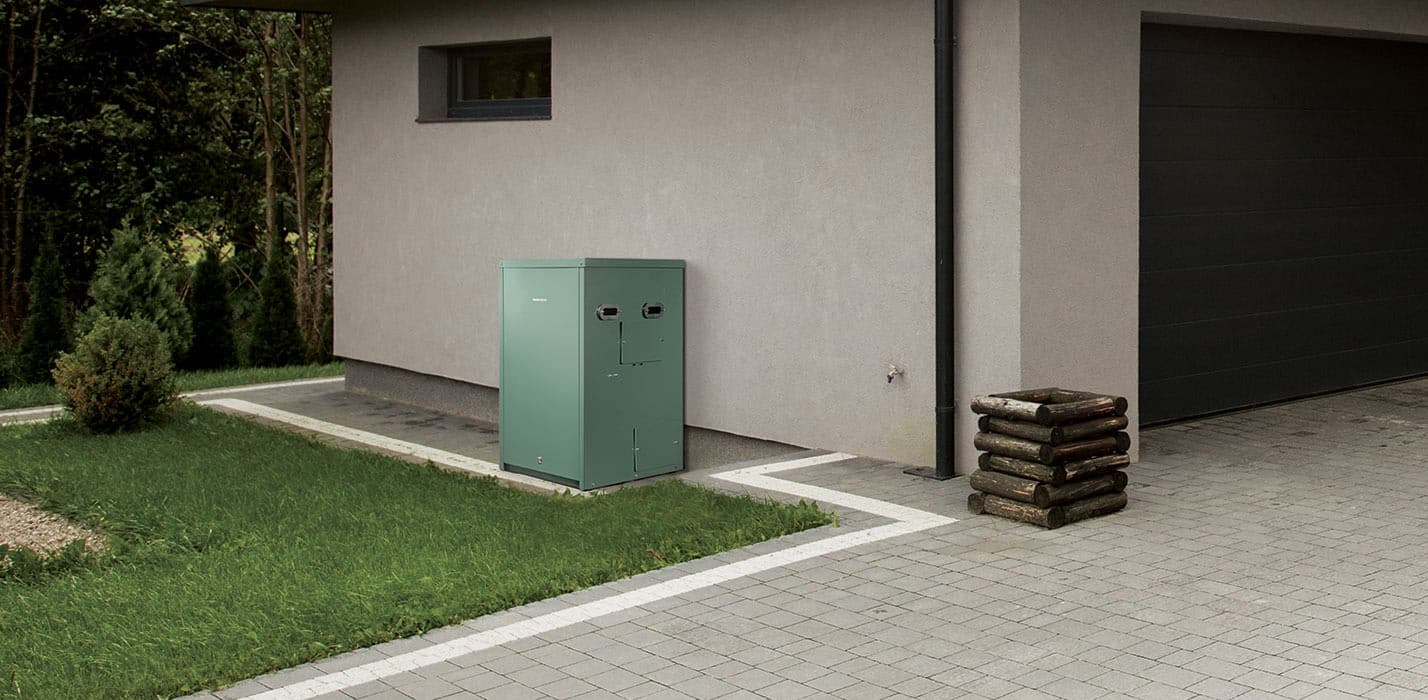
Boiler location affects installation complexity and ongoing maintenance. Common locations include kitchen, airing cupboard or garage. Think about access for servicing and noise considerations.
- Flue type and route — condensing boilers require suitable flue termination and a condensate drain. The flue can be horizontal through an external wall or vertical through a roof; the best option depends on the property layout and regulatory clearances.
- Ventilation and space — some locations need additional ventilation or clearance around the appliance. Your installer should check that the chosen siting complies with safety and building standards.
- Condensate disposal — condensing boilers produce condensate that must be drained correctly and protected against freezing if external runs are necessary.
System condition and necessary upgrades
Think beyond the boiler itself. The effectiveness of a new boiler depends on the condition of the rest of the heating system.
- Radiators and controls — evaluate whether your radiators are the right size and whether thermostatic radiator valves (TRVs) could improve control and efficiency.
- Pipework — replacing or re-routing pipework increases complexity. Older systems may need repairs or modification to suit a modern boiler.
- Powerflushing and inhibitors — chemical cleaning and corrosion inhibitors protect a new boiler and improve lifespan; discuss these services with your installer.
Controls, smart heating and user preferences
Controls are central to comfort and running costs. Decide how you want to manage your heating:
- Basic programmer and room thermostat give simple time and temperature control.
- Smart thermostats allow remote control, optimisation and energy‑saving scheduling. If you want advanced zoning or multiroom control, check compatibility with the chosen boiler.
- Multi‑zone systems or smart heating hubs require planning for additional thermostats and wiring. If you are interested in home automation, consider systems such as Evohome for zoned control and integration — learn more on our Evohome smart heating page.
Regulatory, safety and warranty matters
Compliance and protection are non‑negotiable.
- Qualified installer — always choose a Gas Safe registered engineer or appropriately accredited installer for the fuel type. They ensure safe installation and compliance with current standards.
- Building regulations and certificates — replacements usually require notification or certification. Your installer should handle all necessary paperwork and provide the relevant compliance documentation.
- Manufacturer warranty and servicing — check the warranty terms and any conditions for registering the boiler. Regular servicing protects warranty validity and performance; see our boiler servicing page for recommended maintenance plans.
Practical planning: timescale, disruption and access
Preparatory planning reduces disruption on installation day.
- Access and parking — ensure installers can park and have clear access to the work area.
- Installation time — replacement times vary with complexity. Simple like‑for‑like swaps are faster; relocations or pipework changes take longer.
- Hot‑water availability — ask about how long you may be without hot water and whether a temporary solution is needed.
Choosing an installer and comparing quotes
Get multiple detailed quotes and compare more than price. Ask potential installers to provide:
- a clear scope of works, including any pipework, radiator or flue changes;
- brand and model recommendations with performance and efficiency information;
- warranty details and what aftercare servicing is offered;
- confirmation of certification and who will issue compliance paperwork.
Check reviews and ask to see examples of previous installations. For full installation services and professional advice, view our boiler installation page.
Environmental considerations and long‑term running costs
Modern boilers are significantly more efficient than older models, but also consider wider environmental goals. Look at the boiler’s efficiency rating and whether you want an appliance compatible with future low‑carbon measures. Improving insulation and controlling zones effectively will improve comfort and reduce running costs regardless of the boiler chosen.
Final checklist to confirm before work begins
- Boiler type selected (combi, system, regular) and fuel type confirmed.
- Output size matched to household heating and hot‑water needs.
- Chosen location and flue route agreed, with access for servicing.
- Existing radiators, pipework and system condition reviewed; any upgrades identified.
- Controls and smart‑home preferences specified.
- Installer accreditation, warranty terms and compliance paperwork confirmed.
- Schedule agreed and disruption minimised (access, parking, hot‑water downtime).
- Quotation received and understood — request a written quote if you haven’t already.
Deciding these points in advance speeds the installation and reduces hidden costs or delays. If you’d like help working through the checklist or to arrange a site survey and written quote, contact us via our contact page or visit our installation and servicing pages for more details.